Get to know our stepwise, research-driven methodology
Our approach blends extensive keyword research, analytical clustering, and focused intent mapping to guide your content structure. We start by understanding your objectives, then collect relevant terms representative of your audience. Each keyword is matched with search intent, grouped into thematic clusters, and sequenced for priority. This ensures every action is purposeful and your digital presence is both scalable and future-ready.
Thorough Analysis
Detailed research for well-informed clustering.
Logical Grouping
Structured approach in mapping website topics.

Meet our team
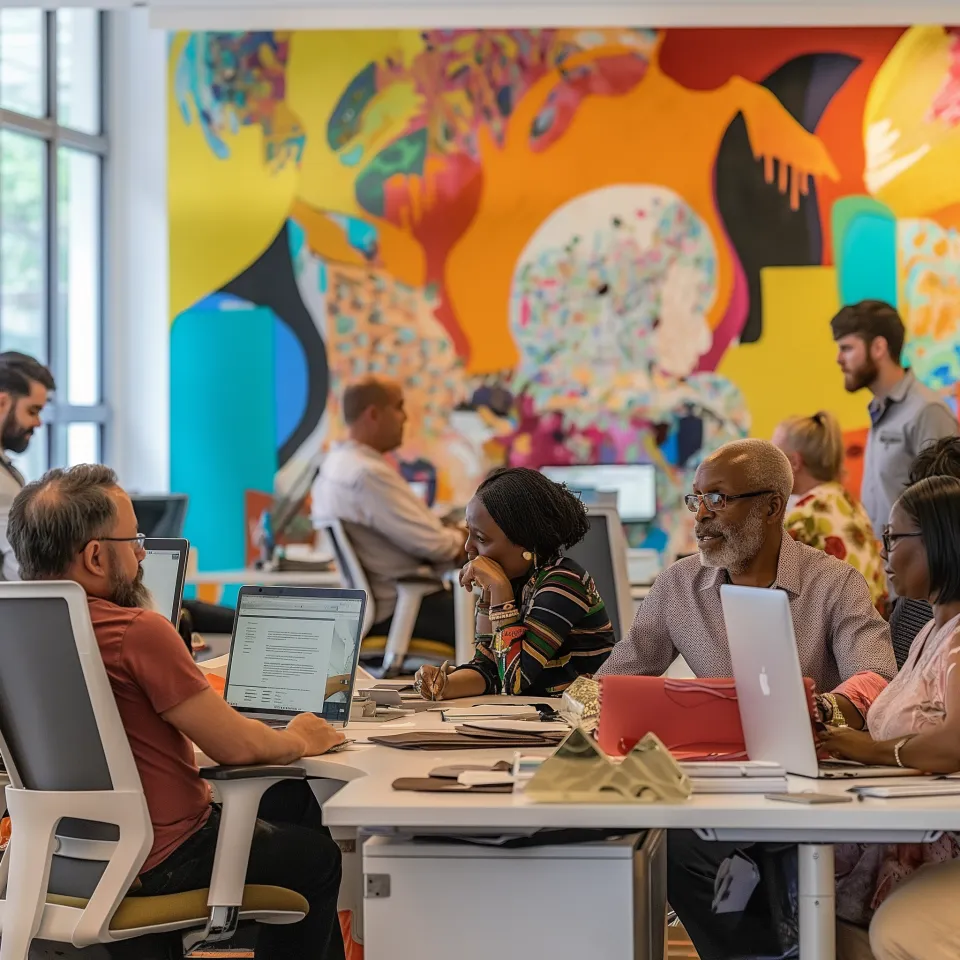
Kagiso Mokoena
SEO Strategist
With a keen eye for patterns, Kagiso drives semantic structuring and sets the pace for every project cycle.

Lindiwe Shange
Content Planner
Lindiwe connects site goals with actionable clusters, ensuring all topics are mapped logically for users.

Themba Mdletshe
Data Analyst
Themba brings clarity to complex research, validating clusters so insights turn into practical site updates.
Our working process
Brief & research
We begin by defining your goals and collecting key terms your users search for most frequently.
Clustering & intent
Keywords are sorted into groups, each with focused user intent, aligning technical needs with natural topics.
Mapping priorities
We arrange clusters to highlight opportunities for site navigation and strategic content development.
Review & refine
The strategy is continually reviewed for changing trends and fine-tuned to ensure ongoing relevance.

How our model stands apart
See the difference semantic core strategy brings to websites like yours.